Katalog
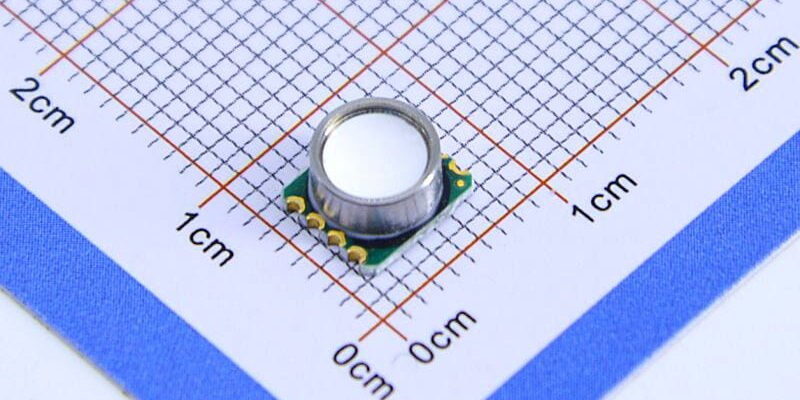
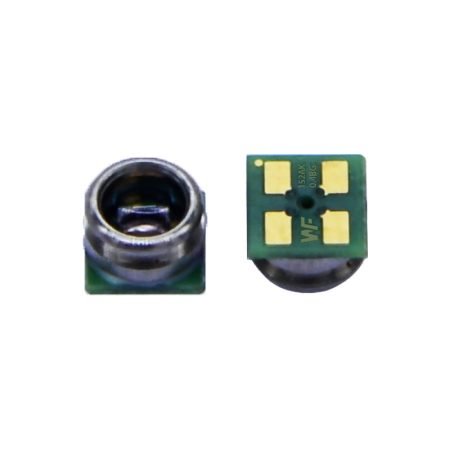
Die Messung des Flüssigkeitsstands ist zur Regelung und Sicherheit auf genaue Drucksignale angewiesen. Der abgebildete wasserdichte MEMS-Drucksensor integriert einen piezoresistiven Siliziumchip, eine spezielle Signalaufbereitung und einen 24-Bit-Σ-Δ-ADC, um eine temperatur- und linearkompensierte digitale Druckausgabe zu liefern. Es wandelt den Wasserstand in stabile, hochauflösende elektrische Daten für Geräte, kleine Wasseraufbereitungsanlagen sowie kommunale oder industrielle Wassersysteme um und ermöglicht so eine zuverlässige Automatisierung und rechtzeitige Alarme.
1. Prinzip und Geräteaufbau
Hydrostatische Druckmessung, piezoresistive Erkennung und digitaler Ausgang
Der Flüssigkeitsstand wird durch hydrostatischen Druck gemessen: Die Wassersäule übt eine Kraft auf die Sensorfläche aus und verformt eine piezoresistive Siliziummembran. Eingebettete Widerstände ändern ihren Wert bei dieser Verformung und bilden eine Brücke, die die Signalaufbereitungsstufe verstärkt und in digitale Form umwandelt. Die integrierte Temperatur- und Linearkompensation sowie ein 24-Bit-Σ-Δ-ADC liefern hochauflösende, rauscharme Druckmesswerte, die direkt an Controller oder Busschnittstellen angeschlossen werden können.
Bei der Herstellung werden Single-Port- oder wasserdichte Hohlraumverpackungen verwendet. Konstrukteure können Isolationsmedien oder Membranen wählen, um korrosive, viskose oder partikelbeladene Flüssigkeiten zu handhaben. Der digitale Ausgang reduziert den Bedarf an externer Konditionierung und vereinfacht die Systemintegration.
2. Genauigkeit und Langzeitstabilität
Digitale Kompensation und hochauflösende ADC für stabile Messungen
Eine genaue Füllstandskontrolle erfordert einen stabilen Nullpunkt und eine geringe Drift. Integrierte Temperaturkompensation und Linearitätskorrektur reduzieren thermische Drift und Nichtlinearität; Der 24-Bit-Σ-Δ-ADC ermöglicht die Erkennung kleinster Füllstandänderungen bei gleichzeitiger Wahrung der Wiederholbarkeit über die Zeit. Die stromsparende Signalaufbereitung und die integrierte Filterung des Sensors unterdrücken Rauschen und verbessern die Auflösung sowohl für kleine Haushaltsanwendungen als auch für große Industrietanks.
Diese Funktionen sorgen dafür, dass die Messungen auch bei Temperaturschwankungen und Strömungsstörungen rückverfolgbar und zuverlässig bleiben.
3. Installation, Kompatibilität und Anwendungseignung
Kompakte Verpackungen und Materialoptionen gewährleisten die Bereitstellbarkeit über Szenarien hinweg
Beim praktischen Einsatz müssen Flüssigkeitschemie, Montageposition und Schnittstellenstandards berücksichtigt werden. Kompakte SMD- oder Gewindegehäuse erleichtern die Seitenwand- oder Bodenmontage; Die Materialauswahl (Edelstahl, Keramik oder korrosionsbeständige Legierungen) und die Wahl der Membran sollten zur Korrosivität, Viskosität und dem Partikelgehalt der Flüssigkeit passen, um die Lebensdauer zu verlängern und den Wartungsaufwand zu verringern.
Sensoren können werkseitig mit Ausgangsoptionen (I²C, SPI, 4–20 mA usw.) entsprechend den Controllern konfiguriert werden. Die Bewertung der Flüssigkeitstemperatur und des Druckbereichs im Vorfeld steigert den Erfolg der Erstinstallation erheblich.
4. Störfestigkeit und Robustheit
Verpackung, Isolierung und digitale Filterung verbessern die Feldimmunität
Bei der Messung des Feldpegels werden Schaum, Blasen, elektromagnetisches Rauschen und mechanische Erschütterungen eingesetzt. Single-Port-Designs und Isolationsmembranen reduzieren das direkte Kontaminationsrisiko; Die digitale Signalkonditionierung bietet Filterung und Fehlererkennung, die abnormale Wellenformen kennzeichnen und Alarme auslösen können. Gehäuse und Steckverbinder sollten die erforderlichen IP- und Chemikalienbeständigkeitsklassen erfüllen, um eine langfristige Zuverlässigkeit zu gewährleisten.
Sensoren, die Diagnosecodes oder Statusausgänge liefern, vereinfachen die Fernüberwachung und Fehlerortung und verkürzen so Ausfallzeiten.
5. Systemwert: Regelung, Energieeinsparungen und Wartungsvorteile
Echtzeit-Datenantriebe mit geschlossener Schleife und optimierten Vorgängen
Echtzeit-Füllstandsdaten-Feed-Controller für den automatischen Betrieb von Ventilen, Pumpen und Heizungen, die Aufrechterhaltung von Sollwerten und die Auslösung von Alarmen bei niedrigem oder hohem Füllstand. Präzise Steuerung und bedarfsgerechtes Management reduzieren den Energieverbrauch und die Materialverschwendung. Die Analyse der Druckwellenform kann den Verschleiß von Dichtungen, Ventilen oder Rohrleitungen aufdecken und so eine zustandsbasierte Wartung anstelle einer zeitbasierten Wartung ermöglichen.
Die gesammelten Daten unterstützen die Prozessoptimierung, Ferndiagnose und Lebenszyklusvorhersagen, wodurch die Gesamtbetriebskosten gesenkt und die Betriebszeit verbessert werden.
Abschluss
Eine qualitativ hochwertige Flüssigkeitsstandmessung hängt vom Sensordesign ab: einem piezoresistiven Siliziumchip, digitaler Temperatur- und Linearkompensation, einem 24-Bit-Σ-Δ-ADC sowie kompatiblen, robusten Verpackungen und Materialien. Mit der richtigen Installation und den richtigen Schnittstellen liefern wasserdichte MEMS-Drucksensoren stabile, hochauflösende Füllstandsdaten in komplexen Wasserumgebungen und ermöglichen so eine zuverlässige Automatisierung, schnelle Alarme, Energieeinsparungen und intelligentere Wartungsentscheidungen.
Die obige Einführung kratzt nur an der Oberfläche der Anwendungen der Drucksensortechnologie. Wir werden weiterhin die verschiedenen Arten von Sensorelementen untersuchen, die in verschiedenen Produkten verwendet werden, wie sie funktionieren und welche Vor- und Nachteile sie haben. Wenn Sie detailliertere Informationen zu den hier besprochenen Themen wünschen, können Sie sich die entsprechenden Inhalte weiter unten in diesem Handbuch ansehen. Wenn Sie unter Zeitdruck stehen, können Sie auch hier klicken, um die Details dieser Leitfäden herunterzuladen PDF -Daten des Luftdrucksensorprodukts.
Weitere Informationen zu anderen Sensortechnologien finden Sie hier Besuchen Sie unsere Sensors -Seite.