- Von WFsensoren
Da elektronische Produkte immer komplexer werden und die Erwartungen der Kunden steigen, sind Kraftsensoren zu einem unverzichtbaren Glied in der Prüfkette geworden. In diesem Artikel wird untersucht, wie Kraftsensoren die Testgenauigkeit und -effizienz für elektronische Produkte effektiv verbessern, wobei der Schwerpunkt auf den Unterschieden zwischen Sensortypen und ihrer Verwendung in R liegt&D- und Produktionslinien, Methoden zur Gewährleistung der Datenkonsistenz und Rückverfolgbarkeit sowie praktische Kalibrierungspunkte. Es stützt sich auf praktisches technisches Verständnis und Ingenieurspraxis, um Entscheidungsträgern praktische Maßnahmen an die Hand zu geben, die dazu beitragen, Testzyklen zu verkürzen, Nacharbeiten zu reduzieren und manuelle Eingriffe zu reduzieren und gleichzeitig die Qualität zuverlässig zu halten.
Katalog
1. Die Rolle von Kraftsensoren beim Testen elektronischer Produkte
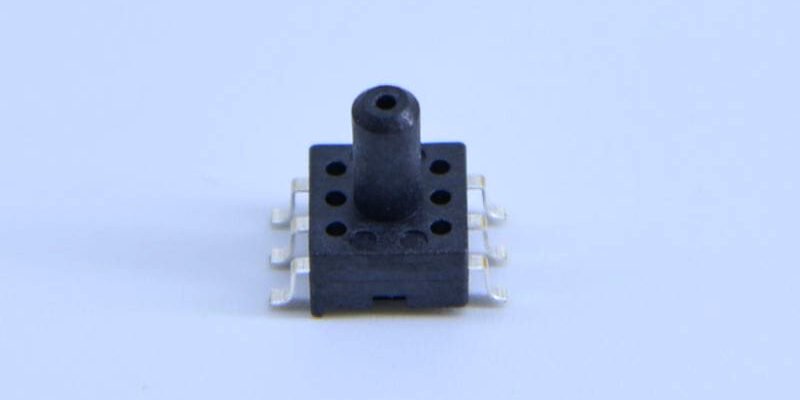
Ein Kraftsensor misst die ausgeübte Kraft oder den ausgeübten Druck und wandelt ihn in ein elektrisches Signal um. Sowohl in der Entwicklung als auch in der Produktion wirken sich mechanische Tests direkt auf wichtige Zuverlässigkeitsparameter aus – Dinge wie wichtige Haltbarkeit, Schnappfestigkeit, Kontaktstabilität des Steckverbinders und Montagedrehmoment. Durch die Einbeziehung präziser mechanischer Daten in die Prüfung können Ingenieure Schwachstellen frühzeitig im Entwurf erkennen und eine gleichbleibende Qualität während der Massenproduktion sicherstellen, wodurch Probleme nach dem Verkauf und Reparaturkosten reduziert werden. Die hohe Empfindlichkeit und Auflösung von Kraftsensoren können winzige Unterschiede erkennen, die bei der visuellen Inspektion oder Faustregelprüfungen übersehen werden, und sie unterstützen einen sauberen Übergang von manuellen Prüfungen zu automatisierten, datengesteuerten Tests. Für ein Unternehmen ist dies mehr als nur der Kauf von Ausrüstung: Es verwandelt die Qualitätskontrolle in einen messbaren, nachverfolgbaren Vermögenswert, der sich im Laufe der Zeit verbessert. Kleine Sensoren wie der abgebildete passen problemlos in kompakte Testvorrichtungen, wodurch Produktmodifikationen reduziert und Chargentests beschleunigt werden.
Schlüsselpunkte in der Produktvalidierungskette
Im Produktvalidierungsablauf hilft die Kraftmessung dabei, sowohl Teile als auch fertige Baugruppen unter Last zu überprüfen. Durch genaue Kraftmessungen können Designteams Spannungskonzentrationspunkte finden, die Materialverteilung anpassen und Pass/Fail-Grenzwerte festlegen, die der tatsächlichen Nutzung entsprechen. Die gemessenen Kraftdaten dienen auch als konkrete Grundlage für Lieferantenprüfungen, wodurch das Risiko in der Lieferkette gesenkt und die Montagekonsistenz verbessert wird.
2. Vergleich der Typen: Dehnungsmessstreifen, piezoelektrische und piezoresistive Kraftsensoren
Verschiedene Sensortypen haben unterschiedliche Stärken. Wählen Sie daher den richtigen für das Testziel aus. DMS-Sensoren erkennen mithilfe von Dehnungsmessstreifen kleinste Verformungen und wandeln sie in Widerstandsänderungen um. Sie werden häufig dort eingesetzt, wo hohe Genauigkeit und Langzeitstabilität erforderlich sind, insbesondere bei statischen oder niederfrequenten Tests. Piezoelektrische Sensoren erzeugen Spannung unter dynamischer Belastung und zeichnen sich bei schnellen Ereignissen aus; Sie eignen sich ideal für Vibrations-, Stoß- und Impulslastprüfungen. Piezoresistive Sensoren messen Änderungen des Materialwiderstands unter Druck und bieten eine gute Linearität und einfache Miniaturisierung. Daher werden sie häufig verwendet, wenn der Platz knapp ist oder die Einbettung von Sensoren erforderlich ist. Achten Sie bei der Auswahl auf Messfrequenz, Messbereich, Temperaturdrift, Linearität und Langzeitstabilität, damit der Sensor zum mechanischen Verhalten des Prüflings und zum Prüfziel passt – so finden Sie den richtigen Kompromiss zwischen Genauigkeit und Durchsatz.
Wahl zwischen statischem und dynamischem Testen
Priorisieren Sie bei statischen Lastprüfungen die Langzeitstabilität und einen geringen linearen Fehler. Für dynamisches Arbeiten legen Sie Wert auf eine schnelle Reaktion und einen großen Frequenzbereich. Legen Sie fest, ob Sie vorübergehende Stöße erkennen oder konstante Lasten messen müssen, und wählen Sie dann den Sensor aus, der den tatsächlichen Anwendungsfall am besten widerspiegelt.
3. Möglichkeiten zur Steigerung der Effizienz sowohl in Produktionslinien als auch in Laboren
Die Einbettung von Kraftsensoren in automatisierte Prüfstationen ist der direkteste Weg zu höherer Effizienz. Durch die Live-Datenerfassung und automatische Pass/Fail-Prüfungen entfallen Testzeitverkürzungen und subjektives menschliches Urteilsvermögen. Linien mit hohem Durchsatz verwenden oft standardisierte Vorrichtungen und Schnellspann-Hardware mit Sensoren, die schnell reagieren und so die Zykluszeiten konstant halten. Digitale Sensorausgänge lassen sich auch problemlos mit Testmanagementsystemen verknüpfen, wodurch nachverfolgbare Aufzeichnungen für jede Einheit erstellt werden und eine Chargenanalyse und Frühwarnung möglich ist. In Laboren beschleunigt der Einsatz modularer Prüfstände und standardisierter Verfahren die Validierungszyklen und verkürzt die Schleife vom Entwurf bis zum verifizierten Ergebnis.
Echtzeit-Entscheidungsfindung und Linienstopp-Richtlinien
Auf automatisierten Linien sind praktische Schwellenwerte und damit verbundene Aktionen (Alarm, Zurückweisung oder Stopplinie) von entscheidender Bedeutung. Eine gute Echtzeit-Entscheidungsstrategie erkennt Probleme schnell und verhindert, dass fehlerhafte Einheiten weiterkommen, sodass Sie das beste Gleichgewicht zwischen Durchsatz und Qualität wahren.
4. Genauigkeit und Konsistenz: Kalibrierung, Rückverfolgbarkeit und Fehlerkontrolle
Genauigkeit ist nicht nur eine Gerätespezifikation – sie ist ein Systemproblem. Regelmäßige Kalibrierung, Rückverfolgbarkeit auf nationale Standards sowie die Kontrolle von Temperatur- und Montagefehlern sind für eine konsistente Messung unerlässlich. Achten Sie bei den Sensoren selbst auf Nullpunktdrift, Empfindlichkeitsdrift und nichtlinearen Fehler. Auf Systemebene können die Steifheit der Uhrvorrichtung, Kontaktschnittstellen und mechanisches Spiel die Messwerte verfälschen. Verwenden Sie Statistiken – Mittelwert, Standardabweichung und Kontrolldiagramme –, um die Teststabilität zu überwachen und bei Bedarf Korrekturmaßnahmen zu ergreifen. Auf diese Weise halten Sie den Messfehler innerhalb akzeptabler Grenzen und stellen sicher, dass die Daten tatsächlich Designentscheidungen unterstützen.
Schnittstellenkonvertierung und Datenintegritätsprüfungen
Die Schritte der Signalkette (Analog-Digital-Wandlung, Verstärkung und Filterung) wirken sich auf den endgültigen Messwert aus. Führen Sie Datenintegritätsprüfungen durch: Überprüfen Sie die Abtastraten, bestätigen Sie die Filtereinstellungen und bewerten Sie das Signalrauschen, damit Schnittstellenprobleme nicht zu falschen Ausfällen führen.
5. Designoptimierung und Test-Feedbackschleife
Bei guten mechanischen Tests geht es nicht nur um das Bestehen/Nichtbestehen – sie müssen eine zentrale Feedbackquelle für Designverbesserungen sein. Speichern und analysieren Sie Testdaten systematisch und verknüpfen Sie sie mit Konstruktionsparametern, damit Sie Schwachstellen und Konsistenzprobleme erkennen und dann Materialänderungen, Geometrieoptimierungen oder Aktualisierungen des Montageprozesses vorantreiben können. Eine solide Feedbackschleife verkürzt die Trial-and-Error-Zyklen, reduziert Prototypen-Iterationen und beschleunigt die Zeit bis zur Produktion. Für das Management bindet die Behandlung mechanischer Testmetriken als Teil täglicher Qualitäts-KPIs die technische Validierung an Produktionsziele und sorgt so für messbare Verbesserungen bei der Produktlebensdauer und der Kundenzufriedenheit.
Verifizierungspfad vom Teil bis zum vollständigen Produkt
Richten Sie eine nachverfolgbare Verifizierungsroute von Einzelteilen bis hin zu kompletten Baugruppen ein. Daten auf Teileebene helfen dabei, schnell über die Lieferantenqualität zu entscheiden. Vollständige Produktdaten prüfen das Verhalten und die Haltbarkeit des Endbenutzers. Zusammen bilden sie ein robustes Qualitätskontrollsystem.
Abschluss
Kraftsensoren verwandeln mechanische Leistungsprüfungen von der Intuition in messbare, nachvollziehbare Datenbestände. Durch die Wahl des richtigen Typs – Dehnungsmessstreifen, piezoelektrisch oder piezoresistiv – und die Integration von Sensoren in automatisierte Test- und Kalibriersysteme können Unternehmen sowohl die Genauigkeit als auch den Durchsatz steigern. Behandeln Sie Messungen als Systemtechnik: Der richtige Sensor, zuverlässige Vorrichtungen und eine strenge Kalibrierung sowie eine robuste Entscheidungslogik sind unerlässlich. Wenn sie richtig eingesetzt werden, reduzieren Kraftsensoren das Qualitätsrisiko und unterstützen eine schnellere Iteration und eine skalierbare Produktion.
Die obige Einführung kratzt nur an der Oberfläche der Anwendungen der Drucksensortechnologie. Wir werden weiterhin die verschiedenen Arten von Sensorelementen untersuchen, die in verschiedenen Produkten verwendet werden, wie sie funktionieren und welche Vor- und Nachteile sie haben. Wenn Sie detailliertere Informationen zu den hier besprochenen Themen wünschen, können Sie sich die entsprechenden Inhalte weiter unten in diesem Handbuch ansehen. Wenn Sie unter Zeitdruck stehen, können Sie auch hier klicken, um die Details dieser Leitfäden herunterzuladen PDF -Daten des Luftdrucksensorprodukts.
Weitere Informationen zu anderen Sensortechnologien finden Sie hier Besuchen Sie unsere Sensors -Seite.