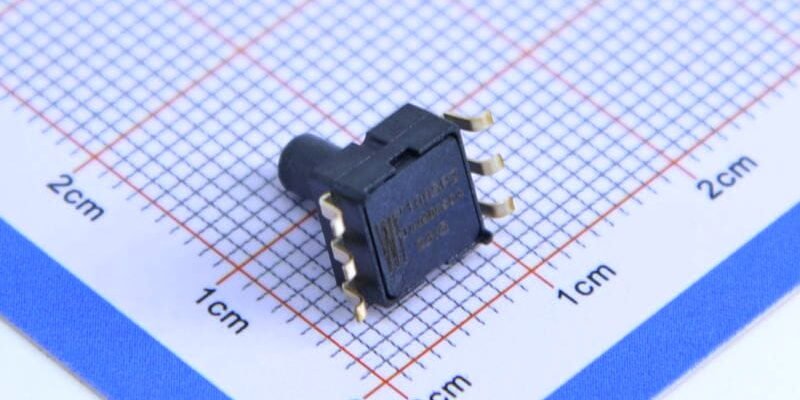
- By WFsensors
In hydraulic, pneumatic and process-control systems, MEMS sensors are the measurement points you trust. Failures can start in materials, packaging or the signal chain — and any one slip-up can trigger missed readings or false alarms. Starting from real failed samples, this piece lays out common symptoms, traces cause-and-effect, and gives engineering countermeasures. The goal: help you diagnose quickly and apply fixes at the design or process level so the whole system runs more reliably and maintenance is less painful.
Catalog
1. Failure symptoms and initial diagnosis
In a hydraulic monitoring project, several 10MPa sensors stopped working properly: no response during pressurisation, odd input/output impedance readings, and bridge resistances that floated or went open-circuit. First line checks are straightforward: inspect external wiring and connectors, check bond integrity in the package, verify the core chip, and visually assess diaphragm deformation. The key for engineering teams is to separate electrical faults from mechanical damage quickly. A scope with noise suppression and a precision multimeter can tell you whether the issue is an internal open or an external power/ground problem. For high-range sensors like 10MPa units, signal amplitudes are small — so even slight impedance drift hides the true pressure signal. That means diagnostic tools and procedures must be orderly and precise.
1.1 On-site signal anomaly recognition
On-site, “no response” or drifting outputs are often blamed on electrical issues. But if supply and wiring check out, the next step is to inspect package and internal connections. Use ESD protection and apply pressure slowly to avoid secondary damage. When possible, run a controlled pressure cycling test to see if the sensor recovers intermittently — that helps tell contact problems from structural damage.
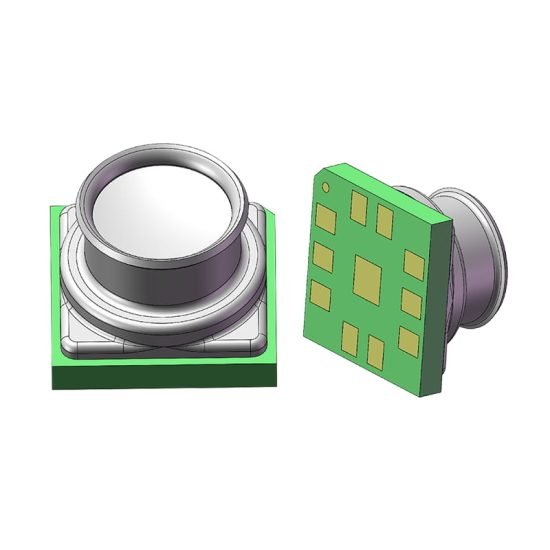
2. Dissection and deep analysis: root causes
Teardown of failed units showed diaphragms with clear inward deformation and plastic changes, and bond wires at the chip edge sitting in a “cracked but not severed” state — a borderline condition that breaks signal paths. Microscopy revealed solid particles in the process fluid that impact the isolation diaphragm during pressure cycles; local stress concentrates and forms micro-cracks, which lead to diaphragm leakage or deformation. Small seal permeations upset internal pressure balance and push the diaphragm inward, squashing internal connections. In short, failure is multi-factorial: fluid contamination, mechanical impact, stress concentration and seal degradation stack up to take the device from diaphragm damage to electrical disconnection.
2.1 Fluid contamination and structural interaction
Microparticles in the measured fluid cause cumulative damage during repeated cycles. Even particles much smaller than diaphragm thickness deliver high-energy impacts that nick the thin film surface or start fatigue cracks. Minor seal leaks change the internal pressure differential, causing asymmetric diaphragm motion that accelerates mechanical wear on internal wiring.
3. A systemised failure-mechanism model
A failure model clarifies the transmission path: foreign matter or corrosive components hit the isolation film; under repeated pressure cycles, local stress concentrates; the film gets micro-damaged and cracks grow; sealing media then seeps through or leaks, changing internal pressure; diaphragm deformation ultimately compresses internal connections and breaks bond wires or contact points. This model underlines multi-factor coupling: electrical, mechanical and material degradation progress together. For engineers, spotting early mechanical micro-damage beats chasing only electrical symptoms and saves repair costs.
3.1 Stress concentration and fatigue accumulation
Manufacturing micro-variations or tiny defects become stress risers. Under long-term high-pressure pulsation, those spots accumulate fatigue cracks. Once cracks grow enough to be visible, diaphragm stiffness drops and the whole structure becomes brittle to shock — leading to functional failure.
4. Engineering protection strategies
Given the failure path, protection must be layered. Fit effective front-end damping and filtration to remove particles and reduce impact energy; implement cleanliness monitoring for the fluid and replace filter elements on a schedule. Improve diaphragm material and thickness to boost impact resistance, and re-route bond wires internally to avoid stress concentration. Upgrade sealing designs with materials that resist ageing and redesign seal geometry to reduce leakage risk. On the electronics side, increase redundancy and fault tolerance in the signal chain — add bridge self-checks and real-time impedance monitoring to catch anomalies early. Combined, these measures significantly cut the probability of failure propagation and lengthen the working life of precision measurement sensors under harsh conditions.
4.1 Filtration and sealing improvements
Front-end treatment is the first defence. Filters with the right pore size and damping characteristics reduce the energy of particles that reach the sensor. Better sealing materials and geometries cut leakage risk and keep internal pressures balanced, so the diaphragm resists long-term cyclic loads.
5. Selection and maintenance guidance
When selecting sensors, prioritise environmental adaptability: impact resistance, particle tolerance and sealing class matter. For critical loops, choose sensors with built-in self-diagnostics and tie them into system-level cleanliness monitoring. Make maintenance preventive: set a cleanliness baseline, inspect filters and seals regularly, and replace filtering elements proactively. For precision measurement sensors, long-term accuracy depends on strict matching between operating conditions and specifications plus regular health checks — so you avoid “failed sensors” triggering wider system faults.
5.1 Environmental-adaptation checklist
Focus on fluid composition, particle-size distribution, temperature and pressure-cycle amplitude. Run simulated condition tests to predict in-field reliability and then adjust your selection or add protection as needed.
Conclusion
From symptoms at the field level to teardown findings and then to engineering fixes, a clear causal chain emerges: fluid contamination and cyclic loading damage the diaphragm; diaphragm deformation crushes internal connections and causes bond-wire failure; the sensor stops working. The answer is not a single quick fix but coordinated action across design, filtration and maintenance. Strengthening front-end purification, refining packaging design and setting up preventive maintenance can move risk upstream and noticeably reduce downtime and repair costs. These recommendations apply when picking silicon piezoresistive sensors, deploying 10MPa devices or maintaining precision pressure sensors — they help push risk earlier and keep systems running.
The above introduction only scratches the surface of the applications of pressure sensor technology. We will continue to explore the different types of sensor elements used in various products, how they work, and their advantages and disadvantages. If you’d like more detail on what’s discussed here, you can check out the related content later in this guide. If you are pressed for time, you can also click here to download the details of this guides air pressure sensor product PDF data.
For more information on other sensor technologies, please visit our sensors page.