- Па WF-датчыкі
Многія людзі знаходзяць Датчыкі MEMS незнаёмыя, але гэтыя малюсенькія прылады ўжо глыбока ўбудаваныя ў паўсядзённыя прадукты і прамысловыя сістэмы. З інжынернага пункту гледжання, гэтая частка тлумачыць, чаму яны невялікія, але магутныя, як яны вырабляюцца і ўпакоўваюцца, прынцыпы працы розных тыпаў датчыкаў ціску і як выбраць правільны Датчык ціску MEMS для праекта.
Каталог
1. Незнаёмыя мікраэлектрамеханічныя сістэмы фактычна ўсюды
Самае характэрнае ў MEMS тое, што вы рэдка бачыце іх, але вы адчуваеце іх эфект. Малюсенькія прылады выконваюць важную працу ў спажывецкай электроніцы і аўтамабільных сістэмах, выяўленні руху, адчуванні ціску, ацэнцы стаўлення і вымярэннях навакольнага асяроддзя. Нават калі тэрмін «мікраэлектрамеханічныя сістэмы» здаецца незнаёмым для большасці людзей, многія модулі, з якімі інжынеры сутыкаюцца штодня, пабудаваны на гэтай тэхналогіі. Памеры MEMS вар'іруюцца ад прыкладна 1 міліметра да некалькіх мікраметраў, што дазваляе ім сумяшчаць механічныя і электрычныя функцыі на вельмі невялікіх адбітках. Гэтая перавага ў памеры забяспечвае нізкае энергаспажыванне, нізкі кошт і высокую надзейнасць - менавіта таму дызайнеры звяртаюцца да іх зноў і зноў.
Ад тэлефонаў да індустрыі - як ціха змяняюцца малюсенькія датчыкі
Гэтыя датчыкі ўбудоўваюцца ў тэлефоны, фітнес-бранзалеты і беспілотныя лятальныя апараты для вызначэння месцазнаходжання, бараметрычнай кампенсацыі і вызначэння вышыні. Калі інжынеры распрацоўваюць прадукт, галоўнымі клопатамі з'яўляюцца стабільнасць прылады, тэмпературны дрэйф, механічнае злучэнне, выкліканае ўпакоўкай, і прастата электрычнага інтэрфейсу. Невялікі памер дае дызайнерам свабоду, але таксама павышае планку для ўпакоўкі. Многія варыянты дызайну зводзяцца да таго, як мінімізаваць знешнія перашкоды, захоўваючы пры гэтым высокую адчувальнасць.

2. Малы памер, вялікія магчымасці: інжынерныя перавагі малюсенькіх датчыкаў
Прычыны выбіраюць інжынеры Датчыкі MEMS простыя: невялікія памеры і вага, спосабы апрацоўкі, падобныя на крамянёвыя CMOS, і зніжэнне выдаткаў ад вытворчасці пласцін. Пакетная мікравытворчасць дазваляе выразаць сотні ці тысячы прылад з адной пласціны, значна зніжаючы кошт чыпа. Гэты эфект маштабу з'яўляецца галоўным для камерцыйнай жыццяздольнасці MEMS. Акрамя таго, механічныя структуры, такія як мембраны, кансолі і паражніны, могуць быць выраблены з высокай дакладнасцю з дапамогай мікрафабрыкацыі, што дае прадказальную адчувальнасць і частотную характарыстыку.
Як апрацоўка пласцін і масавая вытворчасць зніжаюць адзінкавыя выдаткі
За кошт павелічэння дыяметра пласцін, этапаў абрэзкі і памяншэння плошчы штампа вытворцы яшчэ больш зніжаюць выдаткі. Інжынерныя групы звычайна суадносяць памер штампа з выхадам падчас вызначэння прадукту, каб знайсці правільны баланс кошту і прадукцыйнасці. Кожнае паступовае ўдасканаленне вытворчай лініі можа аказаць вымерны ўплыў на маржу прадукту.
3. Мікраскапічная рэвалюцыя ў вымярэнні ціску: тыпы MEMS датчыкаў ціску
У зандзіраванні ціску, Датчыкі ціску MEMS цяпер мэйнстрым. Па прынцыпе і ўпакоўцы яны падзяляюцца на абсалютныя, дыферэнцыяльныя і калібравыя. Абсалютныя датчыкі звычайна маюць герметычную эталонную паражніну і вымяраюць ціск адносна вакууму; дыферэнцыяльныя датчыкі параўноўваюць два ўваходныя сігналы і выкарыстоўваюцца для кантролю патоку і ўзроўню вадкасці. З распаўсюджваннем лічбавых інтэрфейсаў усё больш датчыкаў цяпер уключаюць АЦП або лічбавую фільтрацыю на чыпе, становячыся Лічбавыя датчыкі ціску MEMS; што зніжае знешнія схемы і павышае ўстойлівасць да перашкод.
Абсалютны, дыферэнцыяльны і расшчаплены з лічбавай апрацоўкай сігналаў
Кожны тып датчыка арыентаваны на розныя прыярытэты праектавання. Абсалютныя датчыкі сканцэнтраваны на доўгатэрміновай нулявой стабільнасці і надзейнасці эталоннай паражніны; дыферэнцыяльныя датчыкі патрабуюць добрага супадзення каналаў і лінейнасці; лічбавыя прылады аддаюць перавагу частаце дыскрэтызацыі, дазволу і сумяшчальнасці інтэрфейсу. Інжынеры, якія выбіраюць дэталь, павінны супаставіць тып прылады з працоўным асяроддзем, дыяпазонам тэмператур і патрэбамі электрычнага інтэрфейсу.
4. Упакоўка і інтэграцыя: практычныя пытанні сумеснага праектавання датчыкаў і IC
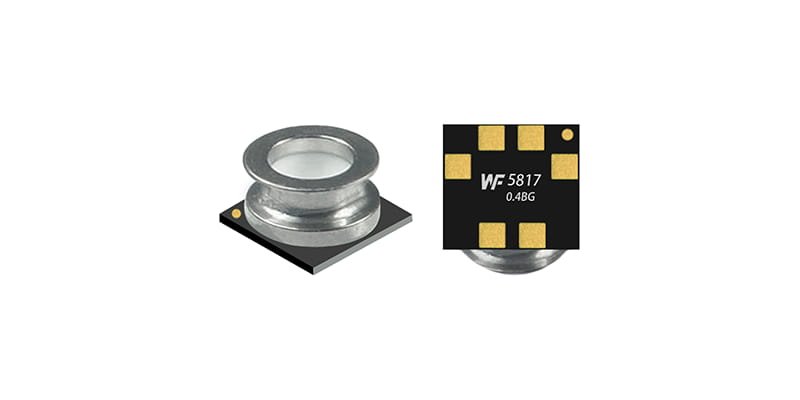
Выбар правільнага пакета ператварае прадукцыйнасць MEMS у надзейнасць рэальнай сістэмы. Датчык на малюнку ўяўляе сабой тыповы камплект ціску SMD з чатырма накладкамі на ніжняй баку і металічным портам ці фланцам уверсе - гэта спрашчае механічнае спалучэнне і ўздзеянне навакольнага асяроддзя, адначасова забяспечваючы механічную абарону. Упакоўка павінна прадугледжваць: механічнае амартызаванне ўваходнага адтуліны, абарону ад вільгаці і цвёрдых часціц і адпаведнасць цеплавога пашырэння канструкцыі гаспадара. Сур'ёзнай праблемай з'яўляецца інтэграцыя MEMS з ASIC: некаторыя крокі MEMS патрабуюць высокіх тэмператур, якія супярэчаць цеплавым абмежаванням мікрасхемы, таму гібрыдная ўпакоўка або працэсы, сумяшчальныя пасля CMOS, з'яўляюцца звычайнымі абыходнымі шляхамі.
Пост-CMOS-сумяшчальныя матэрыялы і метады гібрыднай упакоўкі
Матэрыялы для нізкатэмпературнага асаджэння (напрыклад, некаторыя формы нітрыду алюмінія, асаджанага пры нізкай тэмпературы) і гібрыдная ўпакоўка дапамагаюць пазбегнуць праблемы высокатэмпературных этапаў. Многія пастаўшчыкі ствараюць MEMS і IC паасобку, а потым аб'ядноўваюць іх у адзін пакет, або выкарыстоўваюць асобныя падыходы, калі MEMS і электроніка збіраюцца разам. Галоўнае - абараніць структуру MEMS без пагаршэння электрычных характарыстык мікрасхемы.
5. Магчымасць разгортвання і надзейнасць: праверка і кантроль якасці з інжынернага пункту гледжання
З інжынернага пункту гледжання, гатоўнасць датчыка да разгортвання залежыць ад доўгатэрміновага дрэйфу, тэмпературнага каэфіцыента, устойлівасці да вібрацыі, вільгацятрываласці і цэласнасці ўпакоўкі. Звычайная праверка вытворчасці ахоплівае выгаранне, цеплавыя цыклы, выпрабаванні на ўдар і доўгатэрміновы маніторынг дрэйфу. Для Датчыкі абсалютнага ціску MEMS, захаванне стабільнасці эталоннага рэзонара з'яўляецца асноўнай праблемай доўгатэрміновай надзейнасці. Іншы практычны клопат - гэта захаванне цэласнасці ланцужка вымярэнняў на сістэмным узроўні: выхад датчыка патрабуе правільнай пярэдняй электронікі, стратэгій фільтрацыі і каліброўкі, каб пераканацца, што паказанні заслугоўваюць даверу.
Забеспячэнне адчувальнасці і доўгатэрміновай стабільнасці ў рэальных прадуктах
Падтрыманне адчувальнасці патрабуе ўвагі да дызайну прылады, упакоўкі і стратэгіі каліброўкі. Доўгатэрміновая стабільнасць залежыць ад герметычнасці, кантролю напружання і правільнага выбару матэрыялу. Што тычыцца вытворчасці, статыстычны аналіз партыі вылучае заканамернасці дрэйфу і дазваляе камандам наладжваць параметры працэсу, каб прадукцыя была аднастайнай у маштабе.
6. Тэхнічнае чытанне прылады на фота
Прылада, намаляваная на малюнку, уяўляе сабой тыповы датчык ціску SMD: чатыры пляцоўкі для прыпоя на ніжняй баку для SMT і металічны порт ці фланец уверсе для механічнага злучэння або ўздзеяння навакольнага асяроддзя. Гэты пакет падтрымлівае адбор проб пад ціскам у цесных памяшканнях, адначасова забяспечваючы механічную абарону і надзейны газавы шлях. Інжынеры аддаюць перавагу гэтай форме, калі неабходныя стабільныя паказанні абсалютнага ціску і калі для вытворчасці вялікіх аб'ёмаў патрабуецца сумяшчальнасць SMD з аўтаматызаваным размяшчэннем.
Заключэнне
MEMS - гэта не лабараторныя цікавосткі - гэта практычныя інструменты ў машынабудаванні. Датчыкі MEMS маюць малюсенькія формаў-фактары, высокую адчувальнасць, нізкае энергаспажыванне і добрую інтэгравальнасць, што робіць іх незаменнымі ў многіх галінах. Задача інжынераў заключаецца ў тым, каб зразумець адрозненні паміж тыпамі прылад, як упакоўка і працэсы ўплываюць на прадукцыйнасць сістэмы і як адпаведнае тэставанне і каліброўка захоўваюць надзейнасць. Дэталі ўпакоўкі намаляванага прылады падкрэсліваюць адзін момант: добрая канструкцыя механічнага інтэрфейсу такая ж важная, як і сама канструкцыя датчыка.
Прыведзенае вышэй увядзенне толькі драпае паверхню прымянення тэхналогіі датчыка ціску. Мы працягнем вывучаць розныя тыпы сэнсарных элементаў, якія выкарыстоўваюцца ў розных прадуктах, як яны працуюць, а таксама іх перавагі і недахопы. Калі вы жадаеце атрымаць больш падрабязную інфармацыю аб тым, што тут абмяркоўваецца, вы можаце праверыць адпаведнае змесціва далей у гэтым кіраўніцтве. Калі ў вас няма часу, вы таксама можаце націснуць тут, каб загрузіць падрабязную інфармацыю аб гэтым даведніку Датчыкі датчыка ціску паветра PDF дадзеныя.
Для атрымання дадатковай інфармацыі аб іншых сэнсарных тэхналогіях, калі ласка Наведайце старонку датчыкаў.