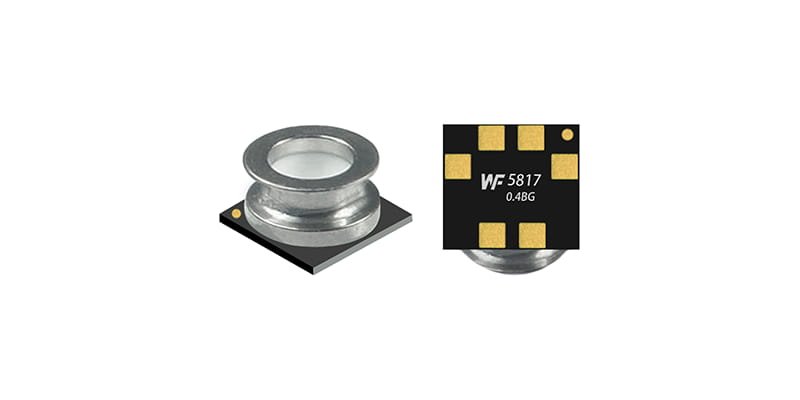
The heart of lowering packaging stress in MEMS devices is managing thermo-mechanical mismatch. By innovating across three dimensions — materials, processes and structures — you can strike the best balance between performance, reliability and cost, ensuring low-power sensors remain stable in mass production and over time.
Каталог
1. Problem background: why packaging stress determines device
surface and negative-pressure sensors are especially sensitive
Packaging is a major factor in MEMS commercialisation: it can account for the lion’s share of product cost, and many reliability issues trace back to packaging. Residual thermal stress introduced during packaging causes chip warpage, offset drift and frequency shifts — problems that hit piezoresistive and resonant elements hard. For surface-pressure and negative-pressure sensors, tiny mechanical deformations change calibration and affect measurement accuracy and power-management strategies. Waterproof surface-pressure sensors must balance sealing and stress control. So, consider packaging stress from product definition onward, and weigh it against the device’s operating temperature and long-term stability requirements.
2. Механізм узнікнення напружання (тэарэтычная мадэль і асноўныя параметры)
трохслаёвая мадэль дае колькаснае ўяўленне — ΔT, Δα і калянасць матэрыялу
Вы можаце колькасна вызначыць нагрузку на ўпакоўцы з дапамогай трохслаёвай мадэлі чыпс-клей-падкладка. Асноўнымі фактарамі з'яўляюцца розніца паміж тэмпературай отвержденія і працоўнай тэмпературай (ΔT), а таксама неадпаведнасць каэфіцыентаў цеплавога пашырэння (Δα) паміж чыпам і падкладкай. Модуль Юнга і таўшчыня кожнага пласта таксама вызначаюць узровень напружання. Калі клей застывае і зборка астывае, цеплавая неадпаведнасць выклікае выгіб тонкай крамянёвай плашчакі, ствараючы напружанне зруху і адслаення; яны, у сваю чаргу, звязаны з плошчай сувязі і абмежаваннямі. Выкананне разлікаў гэтых параметраў дазваляе ацаніць дрэйф зрушэння і рызыку разлому інтэрфейсу, што скарачае колькасць спроб і памылак падчас распрацоўкі.
3. Шляхі аптымізацыі матэрыялаў
choose low modulus, low-cure adhesives and substrates that match silicon’s CTE — but watch thermal and electrical needs
Выбар матэрыялу накіраваны на зніжэнне модуля Юнга і тэмпературы зацвярдзення клею, каб паменшыць рэшткавае цеплавое напружанне. Тыповыя падыходы ўключаюць нізкатэмпературнае отвержденія, нізкамодульныя эпаксідныя смолы або даданне гнуткіх металічных праслоек. Для падкладак выбірайце матэрыялы з КТР, блізкім да крэмнію - звычайным выбарам з'яўляецца спецыялізаваная кераміка або металакерамічныя кампазіты. Тым не менш, ёсць кампрамісы: нізкамодульныя эпаксідныя смолы звычайна маюць дрэнную цепла- і электраправоднасць, што з'яўляецца праблемай для канструкцый з высокай магутнасцю або адчувальных да электрамагнітных перашкод; падкладкі з нізкім КТР, як правіла, дарагія і цяжэй вырабляць. Такім чынам, для датчыкаў павярхоўнага ціску, адмоўнага ціску і воданепранікальных датчыкаў павярхоўнага ціску ўстанаўлівайце прыярытэты матэрыялаў і ўзроўні допуску ў залежнасці ад функцыянальных патрэб.
4. Метады аптымізацыі працэсаў
precise thermal control and staged stress relaxation are practical ways to cut
On the process side, local heat pulsing and thermal cycling during cure can lower the net temperature mismatch. Local rapid heating targets the die and adhesive while keeping the substrate cooler, reducing instantaneous ΔT; thermal cycling leverages the adhesive’s viscoelastic relaxation to release stress progressively. These methods can notably reduce warpage and frequency drift, but they add process complexity and cost, and they’re only suitable for certain adhesive systems. In production, these process tweaks are usually combined with material and structural measures to hit acceptable stress levels without blowing the budget.
5. Структурныя рашэнні (паменшыць плошчу сувязі і ізаляваць стрэс)
механічная канструкцыя для разрыву шляхоў напружання часта з'яўляецца найбольш эфектыўнай і маштабуецца
Structurally, reducing bond area, adding stress-compensation cavities or inserting flexible interlayers between die and rigid substrate can dramatically cut die deformation. Shrinking bond area shortens stress transfer paths; stress-compensation structures generate counteracting stress to cancel thermal stress; flexible metal interlayers act as cushions between silicon and stiff substrates. Wire-bonded, adhesive-free approaches (dual-side bond wires) can almost eliminate adhesive-transmitted stress, though they’re more complex to manufacture. Structural optimisation usually achieves the best balance between performance and manufacturability and is widely used in volume production.
Заключэнне
To lower packaging stress in MEMS devices you must tackle materials, processes and structures together and make practical trade-offs. For low-power sensors and various pressure sensors (surface, negative and waterproof surface types), start with structural control — reduce bond area and add buffer layers — then choose adhesives that balance low modulus and acceptable thermal/electrical properties, and finally use local heat treatments or staged cures if needed.
Прыведзенае вышэй увядзенне толькі драпае паверхню прымянення тэхналогіі датчыка ціску. Мы працягнем вывучаць розныя тыпы сэнсарных элементаў, якія выкарыстоўваюцца ў розных прадуктах, як яны працуюць, а таксама іх перавагі і недахопы. Калі вы жадаеце атрымаць больш падрабязную інфармацыю аб тым, што тут абмяркоўваецца, вы можаце праверыць адпаведнае змесціва далей у гэтым кіраўніцтве. Калі ў вас няма часу, вы таксама можаце націснуць тут, каб загрузіць падрабязную інфармацыю аб гэтым даведніку Датчыкі датчыка ціску паветра PDF дадзеныя.
Для атрымання дадатковай інфармацыі аб іншых сэнсарных тэхналогіях, калі ласка Наведайце старонку датчыкаў.