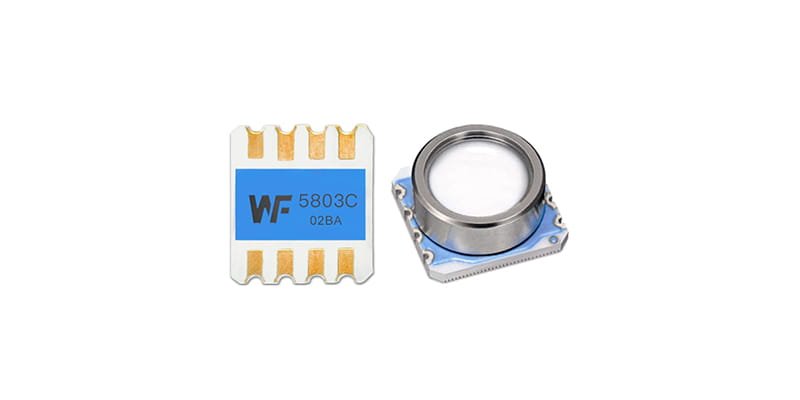
مستشعر الضغط: أبحاث آليات الفشل واستراتيجيات الحماية
يمكن أن تفشل مستشعرات الضغط المقاومة للضغط المصنوعة من السيليكون عندما تؤدي السوائل الملوثة والأحمال الدورية إلى إتلاف غشاء العزل والضغط على أسلاك الربط وإشارات القطع.
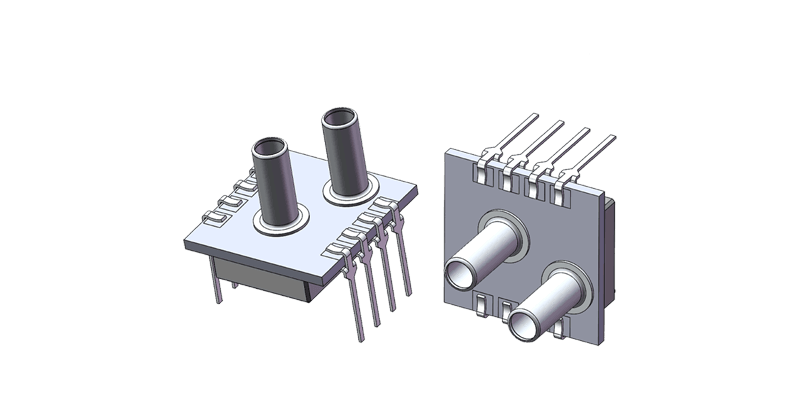
يستخدم مستشعر التغذية المرتدة التفاضلية قناتي كشف معكوستين بالكامل لزيادة قوة القياس. من وجهة نظر هندسية، تركز هذه القطعة على كيفية تحقيق الهندسة التفاضلية وطوبولوجيا المستشعرات المختلطة لأخذ عينات بيانات عالية الدقة في ظل أحمال ديناميكية عالية.
تعمل أجهزة استشعار الضغط على ترقية مفاتيح ضغط الماء من الحدود الميكانيكية غير الحادة إلى الحماية الإلكترونية القابلة للقياس. ومن خلال دمجها مع أجهزة استشعار درجة الحرارة ومرجع 1Bar، تتجنب الأنظمة التشغيل الجاف، وتقلل من الرحلات الخاطئة وتقدم تشخيصًا رقميًا واضحًا.
يؤدي الاستخدام العالي لطاقة المستشعر إلى انخفاض كفاءة النظام عن طريق تقصير عمر البطارية وإضافة الحرارة والتسبب في انحراف الإشارة وإجبار إعادة تخصيص الطاقة. يمكنك حل هذه المشكلة عن طريق التصميم منخفض الجهد، وتحسين البروتوكول، وPMICs الذكية، ومعالجة الحواف خفيفة الوزن لاستعادة التشغيل المستقر وطويل الأمد.
ASIC pressure sensors deliver higher accuracy, lower noise, and better power efficiency by integrating low-noise front ends, 24-bit ADCs, on-chip temperature compensation and calibration. Ideal for TPMS, wearables and industrial use.
MEMS pressure sensors enable 3D navigation by monitoring atmospheric pressure changes, converting planar GPS guidance into spatial positioning. These sensors measure barometric variations to calculate altitude, filling GPS vertical blind spots in urban canyons and tunnels where satellite signals fail.
Based on practical MEMS technology experience, this article systematically explains how digital pressure sensors achieve 1cm water depth resolution through 24-bit ΔΣ ADC, simplify system integration via I2C and SPI protocols, and withstand harsh outdoor environments through waterproof structural design. These technical features make digital pressure sensors the preferred measurement component for dive computers, underwater robots, weather stations, and similar equipment.
For long runs and industrial sites, favour 4–20 mA transmitters. For remote, low-power digital nodes, favour ratio-voltage or I²C transducers. For the highest sensitivity and flexible post-processing, choose mV-output sensors and pair them with precision amplifiers and ADC.
High-precision barometric sensors for meteorological observation: an engineering guide from extreme-condition tests to selection tips, covering error sources, temperature compensation and site maintenance to help weather station ensure reliable data.
Pressure sensors — especially absolute and digital MEMS types — are the anchors for smart window cleaners. Real-time vacuum feedback adjusts pump power, spots leaks and saves energy. Fast response (<10 ms), ±0.5%FS accuracy, IP67 protection and redundant sensors improve suction stability, path coordination and safety at height.
Digital display gauges convert mV or 5V analogue signals from MEMS pressure sensors into real-time numeric readings, pairing low-level sensing with precise signal handling for stable monitoring and reliable logs.
Smart devices rely on sensors to continuously sense the environment; when sensor outputs show abnormal fluctuations, system measurement accuracy and response stability suffer.
Differential pressure measurement is used to monitor changes in filter resistance in gas pipelines.
Key points of low-stress MEMS packaging: reduce thermo-mechanical mismatch via materials, processes and structures to stabilise MEMS pressure sensors, low-power sensors and waterproof surface-pressure sensors.
Pressure sensors in smart washing machines handle precise water-level detection and overflow protection. They’re key to matching water amounts to load size and saving energy. This piece explains sensor types, performance, signal processing, calibration and temperature compensation, and why factory-calibrated and amplified calibrated units simplify integration.